

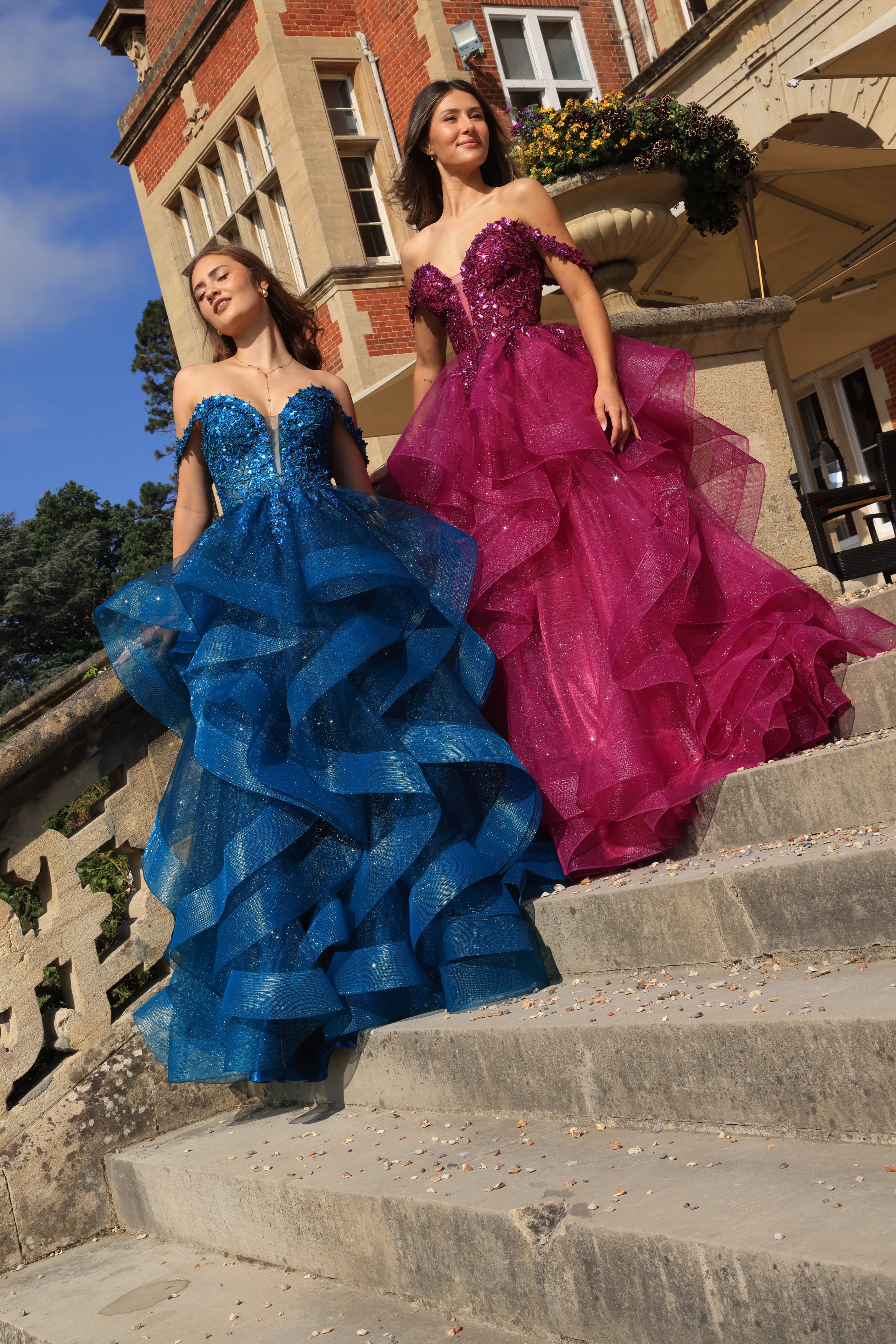
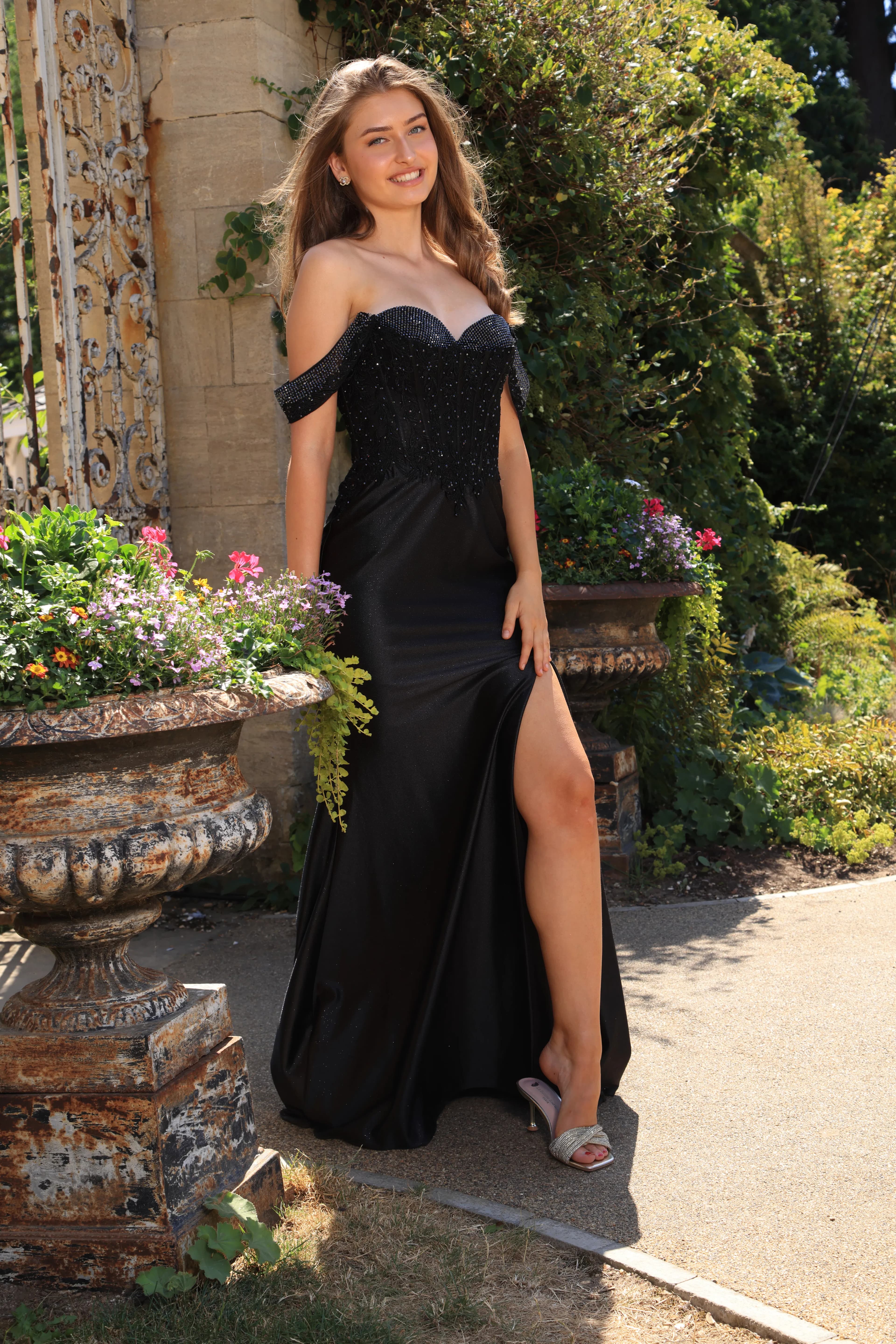
Fit guidance
Prom dress fittings and alterations: what to expect
Understand the difference between trying on, fitting and altering a prom dress, plus the practical questions to ask before the event.
Trying on a dress, checking its fit and altering it are related but separate stages. Knowing what each stage is for can help you ask clearer questions and build a practical plan around your own dress and event date.
In this guide
Fitting and alteration are not the same thing
A fitting
A fitting is an assessment of how the dress sits and moves on you. It is a chance to identify areas that may need attention, check the intended length and discuss the result you want.
The person assessing the dress may pin or mark possible changes. That does not mean every suggested change has been agreed, so ask what is being recommended and why.
An alteration
An alteration is the actual work carried out on the dress. The options depend on its construction, fabric, embellishment and the amount of change required.
Confirm who will carry out the work, what has been agreed and the expected schedule. Do not assume that alterations are included with a dress or that every type of change is possible.
A useful fitting process
01
Bring the right shoes
Wear the shoes planned for prom, or a pair with a similar heel height when advised. This gives a more reliable reference for hem length and proportion.
02
Wear the intended foundation layers
Bring any underwear or supportive layer you expect to wear with the dress. Different straps, seams and shaping can change how the bodice sits.
03
Move naturally
Walk, sit, turn and raise your arms as appropriate. A still mirror view cannot show whether the dress remains comfortable through the evening.
04
Confirm the agreed work
Before leaving, make sure you understand the proposed changes, who is responsible for them and when the dress should be checked again.
What to bring to a prom dress fitting
- The shoes you plan to wear, or the advised heel height
- The underwear or foundation layers intended for the dress
- Any accessory that could affect the neckline or straps
- Your confirmed prom date
- A note of questions about comfort, movement and the agreed changes
Fit details worth checking
Bodice security
Check that the neckline and straps feel secure while breathing and moving normally, without relying on an unnaturally still posture.
Hem clearance
Walk at your usual pace and notice whether the skirt clears the floor appropriately with the intended shoes.
Seated comfort
Sit down carefully to understand how the waist, seams and structured areas feel when your posture changes.
Embellishment and fastenings
Check that zips, hooks, beading and other details sit correctly after any pinned adjustments.
Plan timing around the individual dress
There is no single alteration timetable that applies to every prom dress. A simple hem and a detailed embellished bodice require different work, and provider availability also affects the schedule.
Discuss timing after the dress has been assessed. Leave room for any advised follow-up fitting and avoid arranging a first assessment at the last possible moment if you have the choice.
Bodies can change and shoes can change, so follow the guidance you receive about when measurements and final checks should happen. The goal is an accurate fit for the event, not the earliest possible completion date.
Prom dress fitting questions
Does every prom dress need alterations?
No. Some dresses may fit comfortably without changes, while others may benefit from individual adjustments. The dress needs to be tried and assessed before deciding.
Are prom dress alterations included?
Do not assume they are included. Confirm the arrangement, provider, agreed work and any associated terms for your individual dress.
How long do prom dress alterations take?
Timing varies with the dress, the work required and provider availability. Ask for an individual schedule after the required changes have been assessed.